
Marathon Mind: 14 Unexpected Lessons from My First LA Half Marathon
I Was Never a Runner, Until I Became One

The journey from couch to crossing that finish line was longer than the 13.1 miles of the race itself. Running had never been my thing. In fact, for most of my life, I actively avoided it. Exercise came in different forms, but running always seemed like a punishment rather than something to voluntarily pursue. That mindset started to change gradually as I found myself seeking new challenges last year. Something about pushing physical limits began to seem appealing rather than daunting. Small runs turned into longer ones, and what started as a fleeting thought turned into signing up for the LA Half Marathon.
Training for this race taught me that identity is surprisingly fluid. The stories we tell ourselves about who we are and what we can accomplish are often just that, stories. For years, I had been someone who "wasn't a runner," until suddenly, I was. The transformation wasn't immediate or magical. It happened one mile at a time, one early morning at a time, one sore muscle at a time. But eventually, the transformation was complete enough that standing at the starting line of the LA Half Marathon felt challenging but not impossible.
Each step of preparation revealed something new about my capabilities and limitations. The process of training became almost as valuable as the race itself. I discovered that preparing for something this physically demanding requires mental training just as much as physical conditioning. Running became a form of moving meditation where thoughts could be processed, worries examined, and surprisingly, creative solutions often emerged during those long training runs when my mind was free to wander while my body was engaged.
From Doubt to Determination
The night before the race brought a storm of emotions I hadn't anticipated. Anxiety crept in with unusual force, whispering all the reasons why this endeavor might end in failure. What if my training hadn't been enough? What if my body simply refused to cooperate halfway through? What if I ended up being the last person to cross the finish line, or worse, didn't finish at all? These thoughts circulated with increasing intensity as I laid out my race outfit and prepared my running essentials.
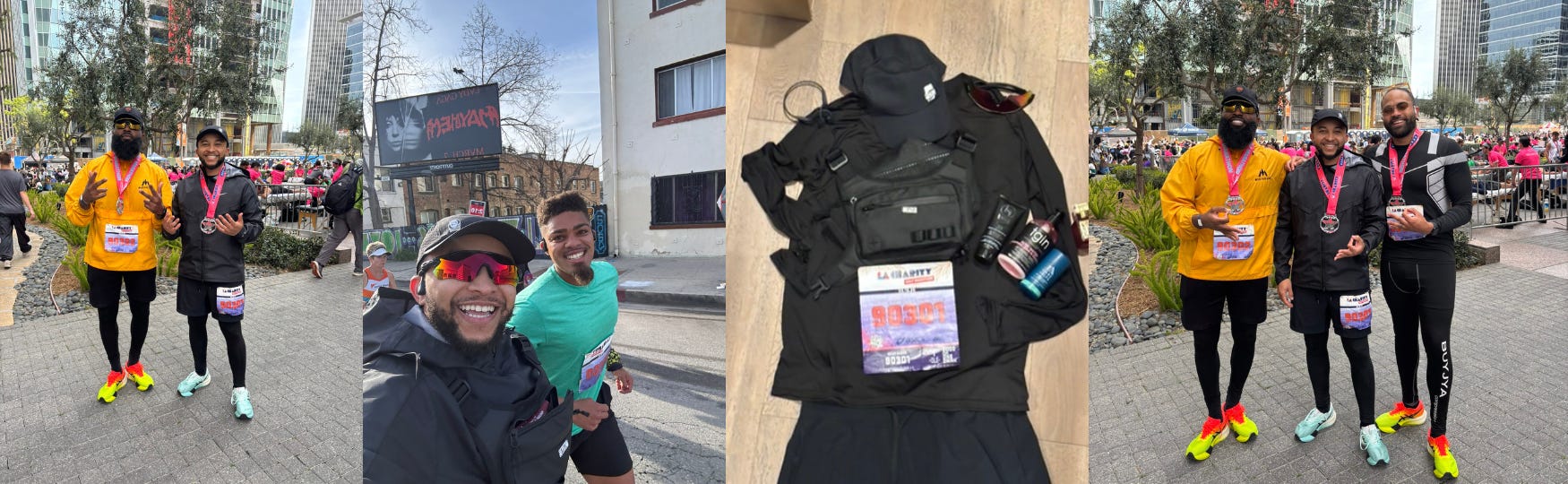
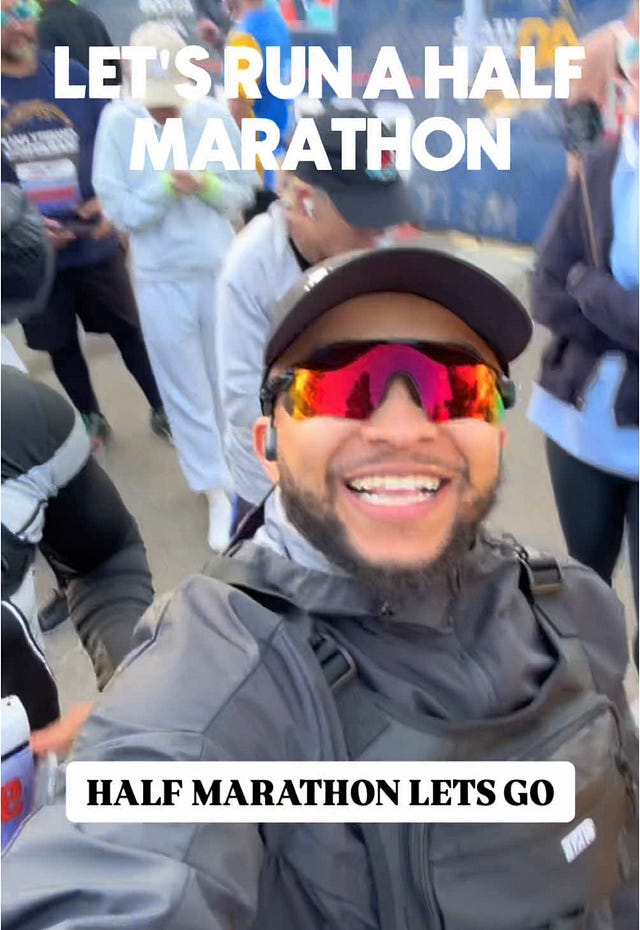
Morning arrived with little sleep but a strange calm that had replaced the anxiety. Sometimes the mind simply exhausts itself with worry and surrenders to acceptance. The starting area was a buzz of nervous energy and excitement that proved contagious. Thousands of people with thousands of different stories had all arrived at this same moment, prepared to challenge themselves in this same way. There was something powerfully connecting about that shared purpose despite being surrounded by strangers.
The starting sound triggered a surge of adrenaline that temporarily silenced any remaining doubts. The first few miles passed in a blur of excitement and relief that my body was responding well to the challenge. Each mile marker became a small victory, a testament to preparation and perseverance rather than natural talent. What I lacked in athletic prowess I made up for in stubborn determination. The transition from questioning whether I could do this to knowing I would finish happened somewhere around mile four, and that mental shift made all the difference in the experience that followed.
The Unexpected Community
One of the most surprising aspects of race day was the instant community that formed among runners. Complete strangers became temporary companions, offering encouragement, sharing water, or simply providing the motivation of a steady pace to follow. During particularly challenging stretches, silent camaraderie developed between those struggling at the same point. A knowing glance or nod communicated more than words could have about the shared experience of pushing through discomfort.
The supporters lining the course created another dimension of community that proved invaluable. Families holding homemade signs, volunteers offering hydration with genuine enthusiasm, and locals who turned out just to cheer for people they would never meet. Their energy provided critical boosts when fatigue started to set in.
What struck me most was how quickly running transformed from an individual activity into a collective experience. While each person ran their own race and faced their own challenges, there was a palpable sense that we were all in this together. The fastest runners and the slowest were part of the same event, challenging themselves on the same course. This shared struggle and triumph created instant connections that transcended typical social barriers. In a city often criticized for its disconnection and isolation, the LA Half Marathon revealed a different side of human connection.
The Mind Game Beyond Mile Eight
Everything changed after mile eight. The initial excitement had worn off, the novelty had faded, and what remained was the raw challenge of continuing when my body began sending increasingly urgent signals to stop. This was where the race transformed from a physical challenge into a mental one. Each step became a negotiation between determination and discomfort. The conversations in my head grew louder and more contradictory. One voice insisted this was too difficult while another calmly countered with reasons to continue.
The mental strategies that emerged surprised me. Counting became meditative, focusing on reaching just the next lamppost rather than the distant finish line. Breaking the remaining distance into manageable segments made the task seem less overwhelming. I found myself making deals with my body, promising rest after certain milestones were achieved. These psychological techniques proved as important as any physical training I had done. The ability to override physical signals and continue moving forward became the essential skill of these later miles.
What no one had fully explained about distance running was how it strips away pretense and reveals character. In those challenging miles, I discovered aspects of myself that rarely surface in daily life. The determination that emerged was familiar from professional challenges, but experiencing it physically brought new awareness. Time slowed and expanded in strange ways. Minutes could feel like hours during difficult stretches, then suddenly three miles had passed almost without notice during periods of what runners call "flow." This mental dimension of endurance running revealed why so many people become devoted to the sport despite its difficulties.
Unexpected Emotional Waves
No one warned me about the emotional rollercoaster that accompanies physical endurance events. The intensity of feelings caught me completely off guard. There were moments of unexplainable euphoria where running felt effortless and joy bubbled up for no particular reason. These were followed by sudden dips into frustration or even momentary despair when hills seemed insurmountable or legs felt impossibly heavy. These emotions arrived in waves, intense and unpredictable, then receded just as mysteriously as they had appeared.
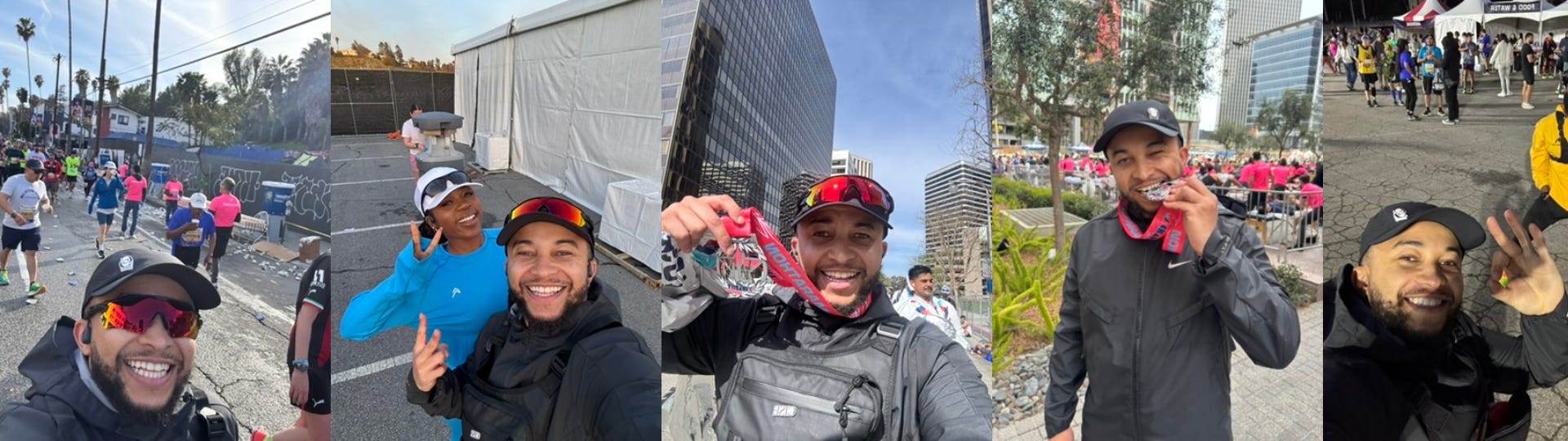
The most surprising emotional moment came around mile eleven when a child held out a hand for high-fives. Something about this simple gesture of connection unleashed a wave of emotion that made my throat tight and eyes blur with tears. There was no logical reason for this response, yet it was overwhelming in its intensity. Later conversations with other runners revealed this emotional vulnerability is common during endurance events. The physical stress seems to thin the barriers that normally contain our emotions, allowing them to surface with unusual power.
These emotional experiences added an unexpected dimension to the race. Running became not just a physical challenge or mental game but an emotional journey as well. By the final miles, I had experienced more distinct emotional states than in typical weeks of normal life. This emotional intensity, while surprising and sometimes challenging to manage while maintaining a steady pace, added richness to the experience that I hadn't anticipated. It made the achievement of finishing feel more significant, as if I had completed an internal marathon alongside the external one.
Pain With Purpose
Pain arrived as an unwelcome but inevitable companion around mile ten. Sharp complaints from my knees, dull throbs from muscles, and unexpected discomfort in places I hadn't even considered might be affected by running. What fascinated me was how differently I experienced this pain compared to similar sensations in other contexts. The important distinction was that this pain had purpose. It wasn't a warning of damage but evidence of effort, not something to avoid but something to move through toward a goal that mattered.
Learning to distinguish between harmful pain that signals potential injury and the normal discomfort of pushing physical limits became an important skill. Most of what I felt was in the latter category, the expected cost of asking my body to perform beyond its comfortable capabilities. With this framing, discomfort became almost interesting rather than purely negative. I found myself observing the sensations with a strange detachment at times, noting their quality and intensity without being completely consumed by them.
This reframing of pain as purposeful rather than problematic offered lessons that extended beyond running. How often in life do we avoid discomfort that might actually lead to growth? How many goals remain unachieved because the middle part gets uncomfortable in ways we haven't learned to navigate? The half marathon provided a concentrated lesson in distinguishing between pain that serves a purpose and suffering that doesn't. Learning to embrace purposeful discomfort while maintaining awareness of actual warning signs struck me as wisdom applicable far beyond the race course.
The City Transformed
Los Angeles revealed itself differently at runner's pace. Streets I had driven countless times contained details I had never noticed from behind a windshield. The city unfolded in a more intimate way when experienced step by step, mile by mile. Neighborhoods connected in ways that made more sense when traversed by foot rather than jumping between them through the disorienting teleportation of driving. The geography became continuous rather than fragmented, creating a map in my body's memory that felt more authentic than any previous understanding of the city's layout.
The different communities we ran through showcased both the diversity and disparity of Los Angeles. Some neighborhoods erupted with enthusiastic support, sidewalks filled with residents offering encouragement and sometimes impromptu aid stations. Other areas remained quiet, the race passing through like a strange parade that barely interrupted the regular Sunday morning routine. This patchwork of engagement reflected the complicated social tapestry of the city itself, neither uniformly connected nor completely disinterested, but varying widely in how public space and communal events are experienced.
Running through these varied landscapes offered a unique lens on the city. The experience highlighted how profoundly our mode of transportation shapes our understanding of place. Normally encapsulated in the protective bubble of a car, feeling the actual texture of the city through footfalls created a more visceral connection to the environment. Hills that barely register when driving became significant challenges when faced on foot. The sensory experience expanded to include smells, sounds, and atmospheric changes that remain largely filtered out during normal commuting. This embodied knowledge of the city will remain long after the race memories fade.
Conversations With Strangers
Human connection emerged in unexpected moments throughout the race. Brief exchanges with fellow runners often revealed fascinating stories and motivations. The conversations weren't limited to other participants. Volunteers staffing water stations offered words of encouragement that somehow felt personally meaningful despite being shared with thousands of others. One particularly memorable exchange occurred with an elderly volunteer who locked eyes with me as I grabbed water and said simply, "You've got this, and it matters that you finish." Something in his delivery suggested he understood exactly what internal battle might be happening at that stage of the race, and his words carried the weight of someone who had faced similar challenges.
What struck me most about these interactions was their authenticity despite their brevity. The shared circumstance of the race created a context where superficial pleasantries fell away, replaced by exchanges that acknowledged the reality of the challenge we were all engaged in. These conversations, though short and occurring between strangers who would likely never meet again, often contained more genuine human connection than many longer interactions in normal social settings. The vulnerability of physical effort seemed to enable emotional openness that made these fleeting exchanges surprisingly meaningful.
Time Warps and Mile Markers
Perception of time transformed dramatically throughout the race. The first few miles seemed to fly by in minutes while certain later sections stretched into what felt like hours. This subjective experience of time bore little relation to the actual minutes passing on my watch. It revealed how profoundly our perception of time is influenced by attention, effort, and emotional state rather than objective measurement. During periods of flow, when running felt almost effortless, time compressed and distances passed with surprising speed. During struggles, particularly on challenging inclines, seconds expanded into what felt like minutes.
Mile markers took on almost mystical significance as the race progressed. Each sign represented both achievement and progress, becoming emotional landmarks rather than mere distance indicators. The anticipation of reaching the next marker sometimes provided the necessary motivation to continue when fatigue suggested stopping. Interestingly, my mental calculations of distance remaining became increasingly creative as the race progressed. "Just four more miles" transformed through various iterations like "less than an hour" or "just forty more minutes of movement" as my mind searched for the most motivating framing of the remaining challenge.
The final mile created the strangest time distortion of all. Though objectively no longer than any previous mile, it seemed to contain multiple experiences compressed together. Anticipation of finishing, assessment of remaining energy, processing of the entire journey so far, and awareness of physical sensations all intensified. This mile felt simultaneously endless and instantaneous, expanding to contain more experience than seemed possible in that physical distance. When the finish line finally appeared, the relief and triumph created another shift in temporal perception, as if time briefly suspended entirely before rushing forward again with the crossing of that threshold.
The Unexpected Physical Aftermath
No one adequately prepared me for how my body would respond after crossing the finish line. The moment the running stopped, my legs began a protest that would continue for days. Walking became a comedy of stiff movements and careful negotiations with stairs. Muscles I didn't even know existed announced their presence through complaints of varying intensity. This physical aftermath was both amusing and humbling, a reminder that asking the body to perform beyond its normal parameters comes with consequences, even when the challenge is met successfully.
Recovery revealed interesting patterns. Some discomfort appeared immediately while other soreness arrived with a delay, peaking a day or two after the race. The body's healing process followed its own timeline, regardless of my impatience to return to normal function. Sleep became deeper and more necessary, hunger patterns shifted, and energy levels fluctuated unpredictably. My body was speaking a language of recovery that required attention and respect rather than pushing through or ignoring these signals. Learning to interpret and respond appropriately to these physical messages became its own important lesson.
Perhaps most surprising was how quickly the body adapted and rebuilt itself stronger than before. What seemed like overwhelming soreness in the immediate aftermath gradually transformed into a new baseline of capability. This physical resilience mirrored the mental fortitude developed during training and the race itself. The experience reinforced the remarkable adaptability of both body and mind when pushed beyond comfortable limits in sustainable ways. Recovery wasn't just about returning to normal but integrating new thresholds of possibility that would have seemed unattainable months earlier.
Achievement Beyond Expectations
Crossing the finish line delivered an emotional impact that far exceeded my expectations. The sense of accomplishment wasn't just about completing a specific distance but about the entire journey from self-doubt to achievement. Looking back at the version of myself who first considered this challenge revealed a transformation that went beyond physical conditioning. What changed most significantly was my understanding of personal capabilities and the limitations I had previously accepted without questioning. The finish line represented not just the end of a race but the beginning of a different relationship with challenge and possibility.
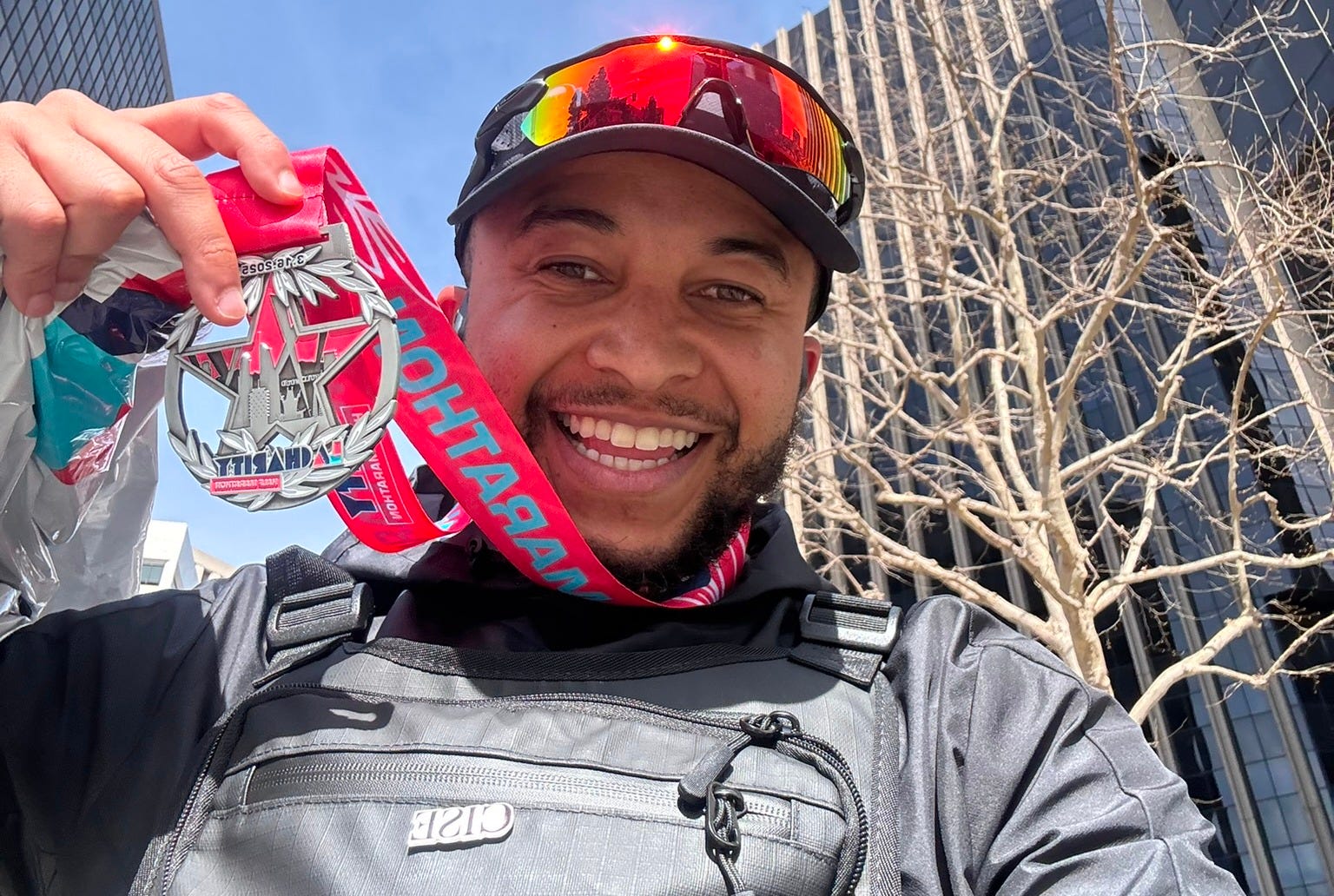
The medal placed around my neck held significance beyond its material value. It represented tangible proof of accomplishment that couldn't be dismissed or minimized by self-doubt. Unlike many professional achievements that remain somewhat abstract, this physical token of completing a specific challenge on a specific day provided concrete evidence of capability. There was something powerfully validating about this physical representation of effort rewarded and challenge overcome. The weight of that medal carried emotional significance that surprised me with its impact.
Recognition from friends and family added another layer of meaning to the achievement. Their genuine congratulations and interest in the experience reinforced the significance of the accomplishment. Sharing the story of the race, complete with struggles and triumphs, created connections through vulnerability that deepened relationships. What began as a personal challenge transformed into a shared celebration that extended the positive impact beyond the individual experience. This social dimension of achievement added richness I hadn't anticipated when focusing primarily on the physical challenge.
The Critic in My Head Was Wrong
Throughout training and even during the race itself, an internal critic maintained a running commentary of doubt and limitation. This voice insisted the goal was unrealistic, the training insufficient, the genetics wrong for distance running. It cataloged evidence of potential failure and minimized signs of progress. What the race conclusively proved was how consistently wrong this critical voice had been. Its predictions of failure, injury, or humiliation never materialized. Instead, preparation and persistence produced results that contradicted these negative projections.
Learning to recognize this critical voice without automatically accepting its assessment became an important skill developed through this process. The critic didn't disappear, but its authority diminished with each mile completed. During difficult sections of the race, I could observe these negative thoughts arising without becoming convinced by them. This developing ability to acknowledge doubts without being governed by them transferred value beyond running into other challenging situations. The critic wasn't silenced completely, but its claims were put into perspective alongside evidence of capability and progress.
This recalibration of the relationship with internal criticism offered perhaps the most valuable lesson of the entire experience. How often do we allow doubting voices to define what we attempt or avoid? How frequently do we accept limitations that exist primarily in anticipation rather than experience? The half marathon provided a concentrated lesson in distinguishing between helpful caution and unhelpful criticism, between realistic assessment and self-limiting beliefs. The finish line stood as physical proof that the critic's most confident predictions could be entirely wrong, an evidence-based challenge to its authority in other domains as well.
Inspiration in Unexpected Places
Throughout the race, inspiration appeared in surprising forms and moments. While elite runners at the front displayed impressive athletic prowess, I found myself more moved by ordinary people overcoming extraordinary challenges. The runner with a prosthetic leg moving with determined grace. The elderly participants maintaining steady progress with decades of wisdom in their measured pace. The parent-child teams running together, creating memories that would outlast any finish time. These examples of human determination and spirit provided motivation that transcended competition or personal achievement.
The course volunteers and supporters created another source of unexpected inspiration. Their willingness to spend a Sunday morning cheering for strangers, offering hydration, and creating an atmosphere of encouragement without receiving any tangible reward exemplified generosity of spirit. Their enthusiasm never wavered despite standing for hours as thousands of runners passed. This selfless contribution to others' achievements reminded me how often the most meaningful aspects of an experience come from connections and support rather than individual effort alone.
Most surprising were the moments of beauty that emerged amidst physical challenge. Sunlight breaking through clouds as we crested a particularly difficult hill. A collective cheer erupting spontaneously when a struggling runner found renewed energy. The rhythm of hundreds of footfalls creating an unexpected percussion that briefly synchronized. These moments of transcendence arrived without warning and disappeared just as quickly, but they provided glimpses of meaning beyond the physical challenge that made the entire endeavor feel connected to something larger than individual achievement. They transformed a athletic event into something approaching a meaningful ritual of human capability and connection.
From Finish Line to Starting Line
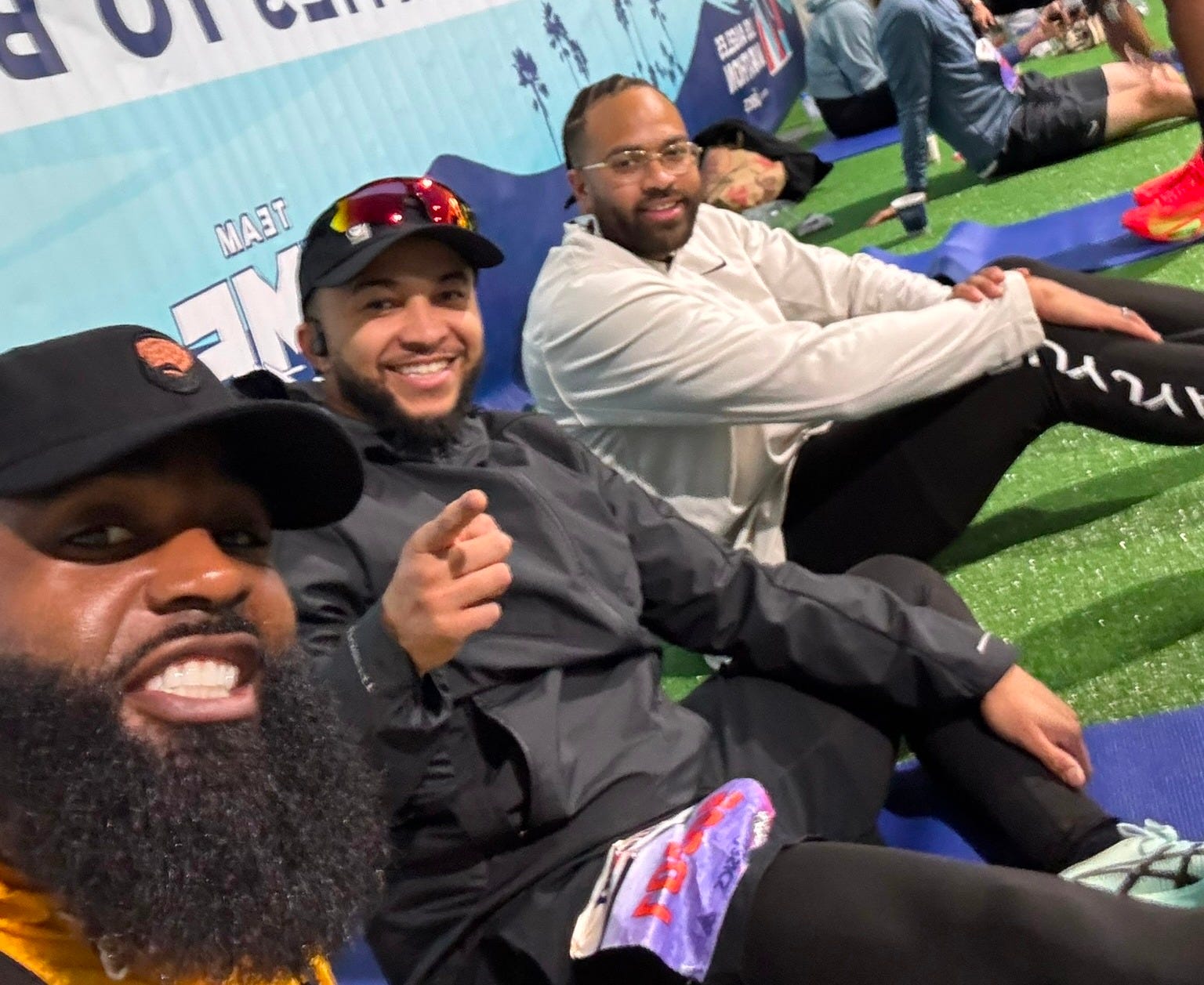
Crossing the finish line turned out to be both an ending and a beginning. What started as a singular goal expanded into questions about what other challenges might be possible, what other perceived limitations might prove flexible. The half marathon revealed itself as less a destination than a doorway to new possibilities. Instead of feeling like culmination, the accomplishment sparked curiosity about what might lie beyond this newly expanded horizon. The question shifted from "Can I do this?" to "What else might be possible that I've never considered?"
This shift in perspective extended beyond running or physical challenges. The process of setting an ambitious goal, breaking it into manageable steps, persisting through difficulties, and ultimately succeeding provided a template applicable to other areas of life. Professional challenges, creative projects, and personal growth all could benefit from the same fundamental approach. The confidence gained from completing this specific challenge generated momentum that could be directed toward entirely different goals with similar principles of preparation and persistence.
Perhaps most valuably, the experience created a reference point for future obstacles. When faced with doubts or difficulties in other contexts, I now carry the embodied memory of overcoming significant challenge. This isn't abstract positive thinking but concrete experiential knowledge of persistence rewarded. The finish line becomes a mental touchstone, evidence of capability that contradicts limitation. What began as a physical challenge transformed into a psychological resource available for future reference when confronting any situation that triggers doubt or hesitation.
The Ripple Effect
The impact of completing the half marathon extended far beyond my personal experience. Friends and acquaintances expressed being inspired to set their own fitness goals after witnessing my journey from non-runner to half marathoner. Several people reached out to share how seeing someone without natural athletic gifts complete this challenge gave them permission to consider possibilities they had previously dismissed. This unexpected ripple effect multiplied the value of the personal achievement by encouraging others to expand their own horizons of possibility.
Professionally, the experience provided valuable perspective that influenced work in subtle but significant ways. Approaching complex projects with the same methodical preparation and persistence that made the half marathon possible created improved results and reduced stress. The ability to break overwhelming challenges into manageable segments transferred directly to project management and creative problem-solving. The psychological skills developed during training and racing, particularly around managing discomfort and uncertainty, proved remarkably applicable to professional challenges that previously would have triggered more anxiety and avoidance.
Most surprisingly, the experience changed my relationship with both success and failure in broader terms. Completing the half marathon despite significant doubt and difficulty reinforced that accomplishment often lies on the other side of discomfort rather than arriving through comfort. This perspective made me more willing to attempt challenging projects without guarantee of success. The process of training had included numerous small failures that ultimately contributed to eventual success, highlighting how integral temporary setbacks are to meaningful achievement. This more nuanced understanding of the relationship between effort, discomfort, failure, and accomplishment created a healthier approach to challenge across all areas of life.
What's Your Next Finish Line?
Finding the right challenge requires honest self-assessment. The ideal goal exists in the sweet spot between comfortably achievable and completely impossible. It should require stretching beyond current capabilities while remaining within the realm of possibility through consistent effort. The half marathon occupied this territory perfectly for me, demanding substantial growth without being fundamentally unattainable. Identifying your equivalent challenge, whether physical, creative, professional, or personal, requires similar calibration of difficulty relative to current capacity and available resources for growth.
The most fulfilling challenges often combine multiple forms of growth. The half marathon demanded physical training alongside mental toughness and emotional regulation. This multidimensional nature created richer experience and more transferable learning than single-dimension challenges might offer. Consider what combination of skills, capabilities, and personal qualities your potential challenge might develop. The most rewarding goals often engage different aspects of ourselves simultaneously, creating integrated growth rather than isolated improvement in a single area.
The truest finish lines mark beginnings more than endings. They represent doorways to expanded possibility rather than final destinations. What finish line are you working toward, or perhaps more importantly, what starting line are you avoiding out of doubt or hesitation? The distance between where you stand now and that finish line might seem overwhelming when viewed all at once. Remember that every long journey happens one step at a time, with each small progress building toward eventual achievement. The question isn't whether you can immediately reach your finish line, but whether you're willing to take the first step toward it today.
 Tiktok failed to load.
Enable 3rd party cookies or use another browser
What challenge have you been considering but hesitating to begin? What's one small step you could take today toward your equivalent of a finish line? How might reframing discomfort as evidence of growth rather than warning of failure change your approach to difficulty?